
Why Authenticity Matters: The Real-Look Trend in 2025 Photography
Why Authenticity Matters: The Real-Look Trend in 2025 Photography
A Windmup Photography Journal Article
In a digital world where over-polished images flood every timeline, a quiet but powerful shift is happening in photography. Photographers—both professionals and hobbyists—are moving away from ultra-retouched, hyper-perfect visuals and returning to something more grounded: authenticity, imperfection, real-look images.
The Real-Look trend is not just an aesthetic shift but a cultural one. It reflects how people want to see—and be seen—today. In 2025, authenticity has become a visual language of trust, emotion, and human connection.
1. The Rise of “Real” in an Over-Edited World
For years, digital photography was dominated by perfection: smooth skin, clean lines, dramatic color grading, noise-free shadows, HDR highlights. Everything was better than real.
But perfection fatigue eventually set in. Social media users became more skeptical, photographers felt their work looked the same as everyone else’s, and audiences gradually preferred images that carried honesty instead of gloss.
This created a new hunger for real moments, real flaws, and real light—not synthetic versions of reality. Ironically, the more advanced editing software became, the more valuable authenticity became.
2. Defining the Real-Look Aesthetic
This shift doesn’t mean photos are careless or low quality. Real-look imagery follows its own set of aesthetics:
- Natural, unaltered light – window light, harsh sun, overcast haze; photographers embrace what they get.
- Skin texture is back – freckles, pores, lines and shadows are kept instead of airbrushed away.
- True colors – subtle, believable color instead of heavy, stylized grading.
- Imperfections add character – motion blur, grain, flare and vignette become part of the visual identity.
- Documentary influence – more photographers shoot like diarists rather than image architects.
The Real-Look trend isn’t anti-tech—it’s anti-artifice.
3. Why the Trend Is Growing in 2025
Several forces pushed this movement into the mainstream:
- Social media burnout – curated perfection feels tiring; “relatable” images win more engagement.
- AI photo generation – flawless AI images make human imperfections a marker of authenticity and value.
- Younger photographers favor emotional storytelling – they want images that feel like memories, not ads.
- Film photography revival – the grainy, imperfect look of film has seeped into digital aesthetics.
- The rise of vertical storytelling – handheld, casual frames feel more honest than staged wides.
Authentic visuals feel like a breath of fresh air in a world saturated with digital noise.
4. Real-Look Is Not About Being “Unprofessional”
Some photographers worry that embracing real aesthetics makes their work look amateur. But the Real-Look style is deliberate, not sloppy.
It requires:
- Strong understanding of light
- Careful composition
- Timing and intuition
- Letting scenes unfold instead of forcing perfection
- Knowing when to stop editing
It’s a craft that blends discipline with restraint.
5. The Emotional Power of Imperfection
Humans resonate with images that reflect real human experience. A slightly underexposed street corner, a blurred hand gesture, a flare streak, a grainy night scene—they carry the emotional weight of a moment lived, not manufactured.
Real-look photos say things that perfect images cannot:
- “I was there.”
- “This moment mattered.”
- “Life feels like this.”
In storytelling, truth is often more compelling than polish.
6. A Photojournalist’s Perspective: Real Is Where the Story Lives
In photojournalism, a perfect moment never waits for perfect lighting. Truth arrives unannounced. You capture it as it is—or you don’t capture it at all.
This mindset is shaping modern photography again. Photographers are rediscovering the value of:
- Patience
- Quiet observation
- Letting scenes breathe
- Allowing subjects to exist naturally in front of the lens
The Real-Look trend is, in a way, a return to photography’s roots.
7. How Real-Look Is Influencing Gear Choices
Real-look photography goes hand-in-hand with simpler, lighter, more intuitive gear:
- Compact mirrorless and fixed-lens cameras
- Wrist straps and rope straps that keep setups minimal
- Everyday carry kits that favor spontaneity over complexity
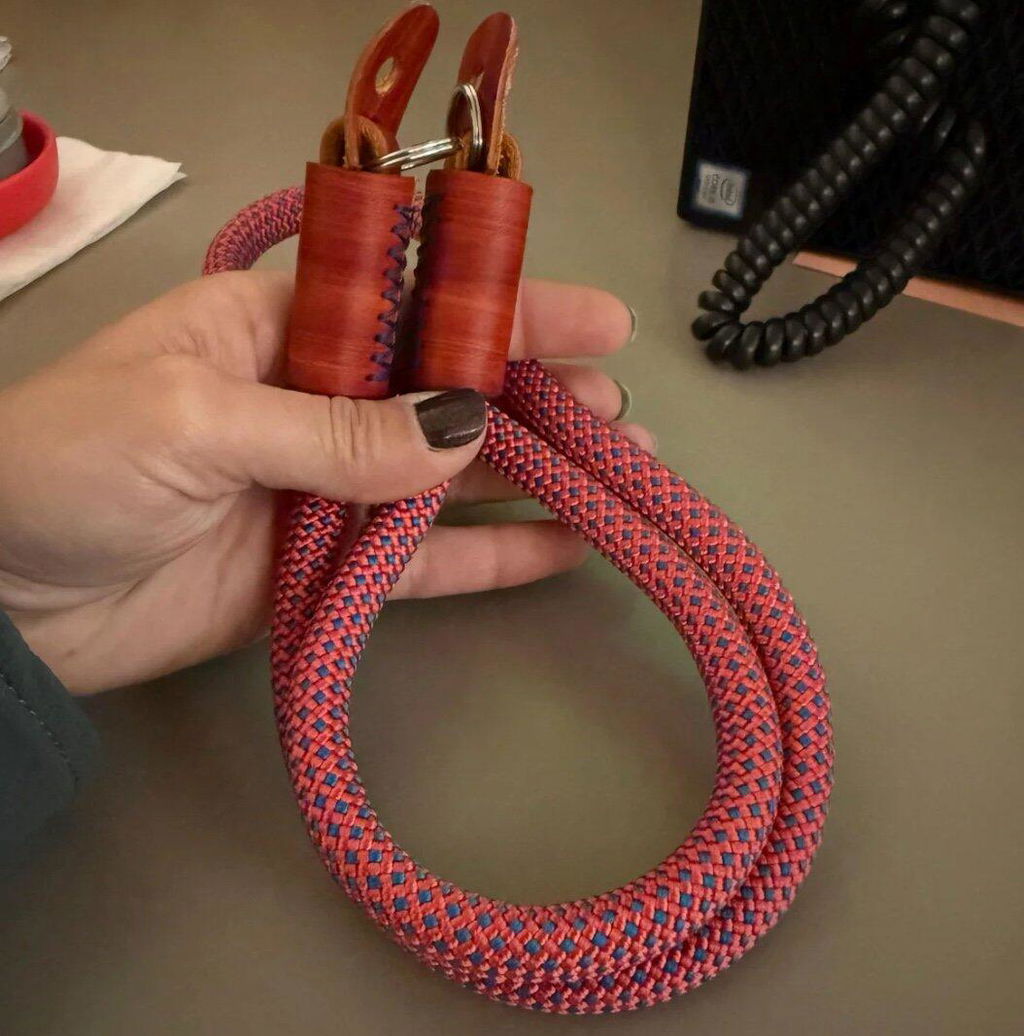
Many photographers now prefer handmade camera straps that align with the authenticity ethos:
- Handmade over mass-produced – each strap has small variations, like handmade photos versus factory images.
- Natural materials over pure synthetics – leather patina, rope fibers and waxed stitching age with the photographer.
- Craftsmanship over perfection – the tactile feel of something made slowly, by hand, matches the spirit of slow, real photography.
In a world chasing instant perfection, a handmade strap feels honest.
8. The Real-Look Trend Will Outlast the Hype
This is not a short-term aesthetic wave. The move toward authenticity reflects deeper cultural changes:
- People want truth, not illusions.
- Photographers want voice, not algorithms.
- Brands want relatability, not cold perfection.
- Visual culture is shifting toward emotional connection.
Real-look photography is essentially the modern form of visual sincerity. And sincerity never goes out of style.
9. Photography That Feels Human
In 2025, the strongest images are not the cleanest ones—they’re the ones that feel alive. Real-look photography reminds us why we picked up a camera in the first place:
- To remember
- To observe
- To feel
- To tell the truth of our own lives
In an age where images can be generated in seconds, the imperfect, human-made photo becomes infinitely more meaningful. Authenticity is not a trend. It’s a return to photography’s soul.